



Meet the Pollinator Power Team!
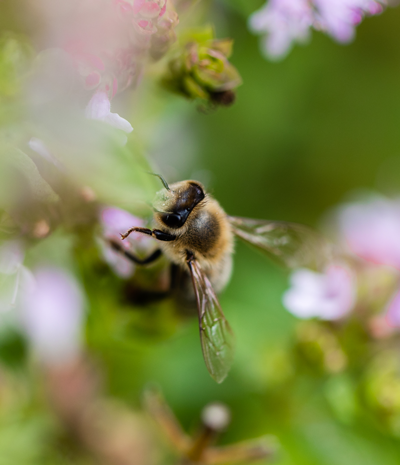 Washington State is home to 600 species of bees. Honey bees are important large-scale commercial crop pollinators but are not native to the United States (first introduced in the early 1600s). Native bees, like mason and bumble bees, are superstars in pollinating everywhere else – often pollinating over 1,000 plants in one day!
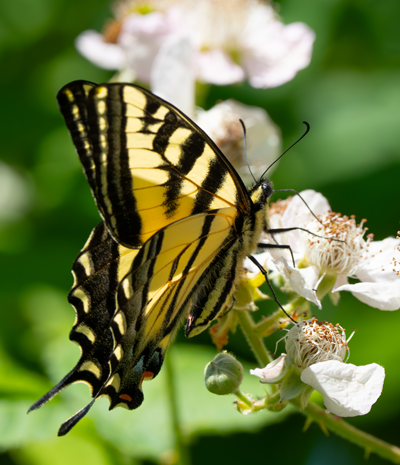
But did you know pollinators are more than just bees? While bees pollinate a vast major (~80%) of flowering plants, the wind and lots of other critters help in this essential ecosystem function. Many different types of insects, birds, and small mammals help in the reproduction of 300,000 species of flowering plants. Bats, wasps, beetles, butterflies, and hummingbirds, among others, move between the plants pollinating along the way.
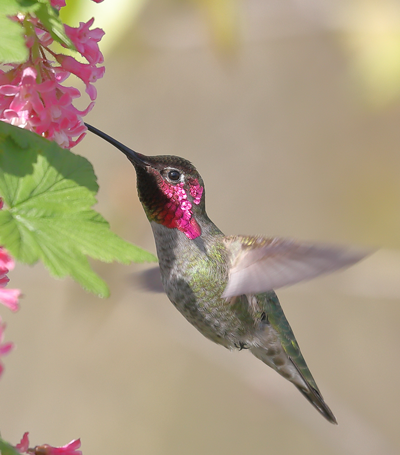
Why is pollination important? Pollinators may be small, but their impact is enormous. From backyard blooms to local food crops, plant pollination keeps our shared ecosystems healthy and colorful. Benefits include:
- More plants: Pollination helps flowers, shrubs, trees, and crops reproduce.
- More food: Many fruits, vegetables, nuts, and seeds depend on pollinators.
- Healthier ecosystems: Pollinators support clean air, water, soil, and wildlife habitat.
- More biodiversity: A variety of plants supports a variety of birds, insects, and animals.
- Cultural connections: Flowers and plants are part of traditions, stories, gifts, art, dyes, and celebrations.
Bee the change: Build a pollinator-friendly space!
The best part? You can help pollinators too! Start where you are – whether on a balconies, small yard, or shared space. While native flowers are preferred, non-native ornamental (non-invasive!) plants play important roles too. Choose natives first if you can. Be sure to consider the needs of the plants when making your selections – consider such things as: sun/shade, soil, bloom timing, and watering needs.
Gardens do not need to be highly landscaped; messy gardens can be intentional and are productive – providing lots of benefits to wildlife and pollinators! Leave those stems, leaves, and bare soil spots for nesting habitat. Start small with one pot or one garden bed, and grow from there.
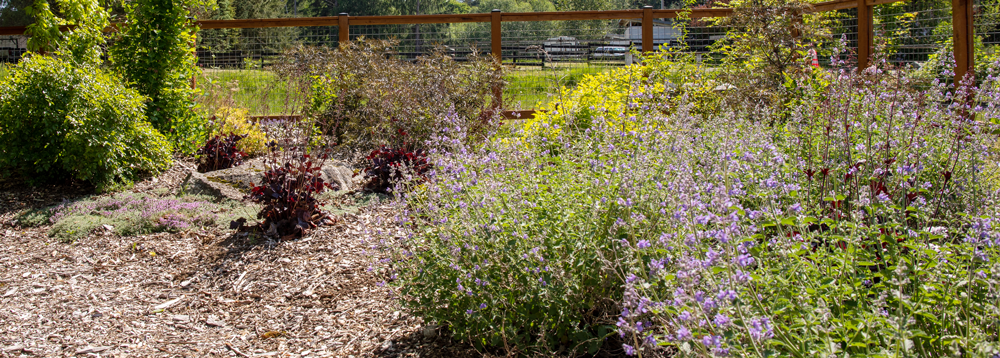
Take a peek inside the PUD’s Woods Creek food forest, pollinator gardens, and tree guilds:
- Native plants are often best adapted to local conditions and favored by native pollinators.
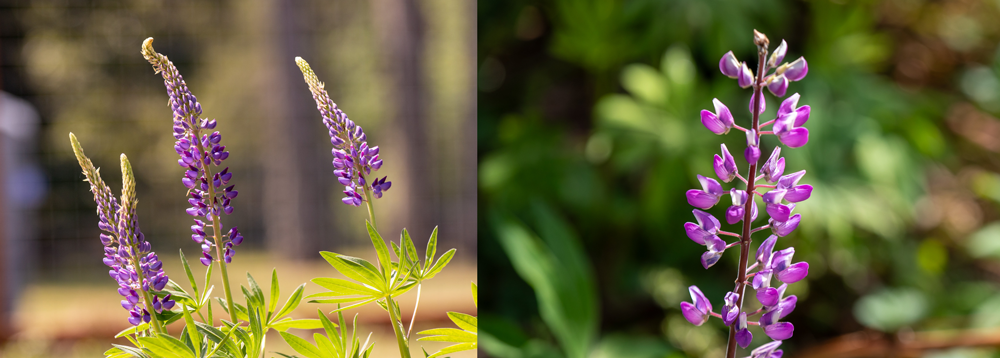
- Intentional messy gardens provide shelter, nesting, and food materials for pollinators and wildlife.
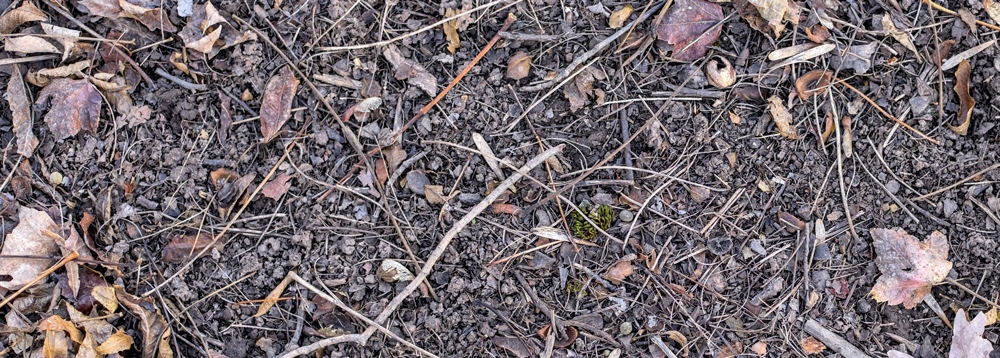
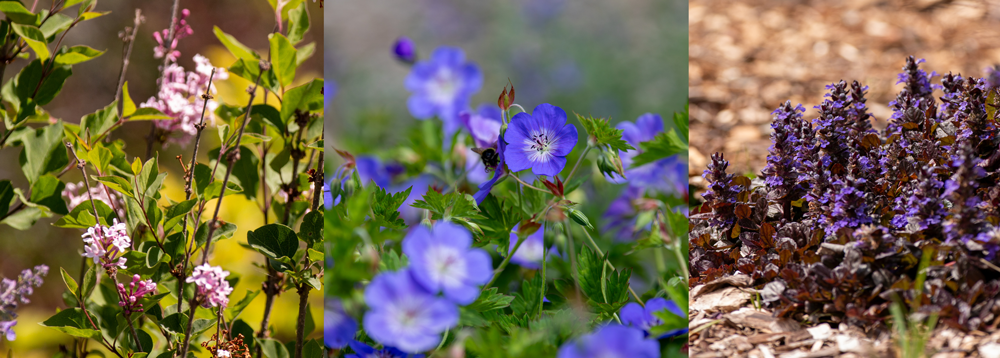
- A variety of colors, textures, and bloom times provide food throughout the seasons and help enrich biodiversity.
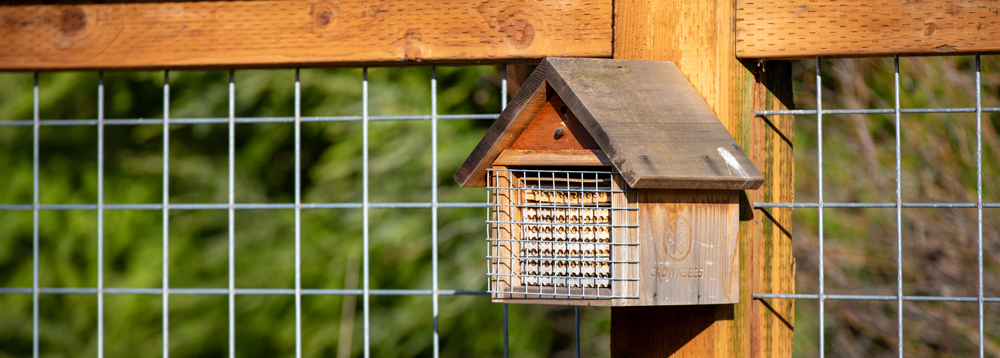
- Mason bee and leafcutter bee houses offer nesting space for solitary bees.
- Select plant varieties that are low maintenance and drought tolerant.
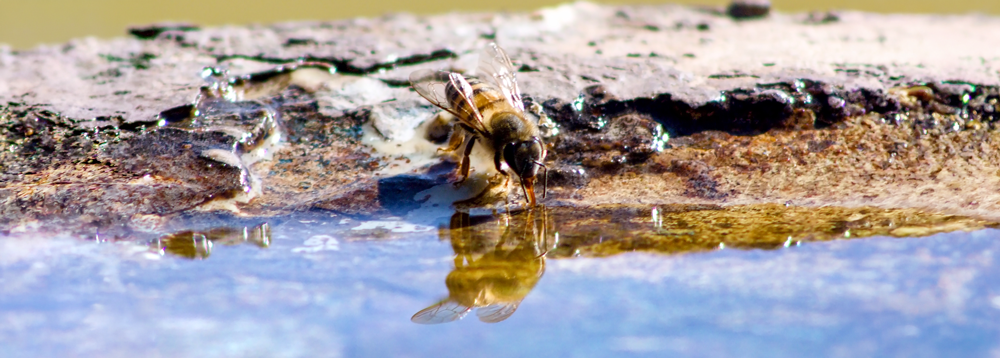
- A shallow water dish with rocks gives pollinators a safe place to drink.