






Connecting Generation
The PUD is committed to connecting customer‑owned power generation to the electric system safely and reliably. To support a range of projects, the PUD offers interconnection options based on the type, purpose, and size of a generation system.

Rooftop Solar less than 100kW
Are you installing a rooftop solar system under 100 kilowatts (kW)?
If so, visit our Rooftop Solar Installation & Interconnecting with the PUD page to learn what to expect and how to get connected.
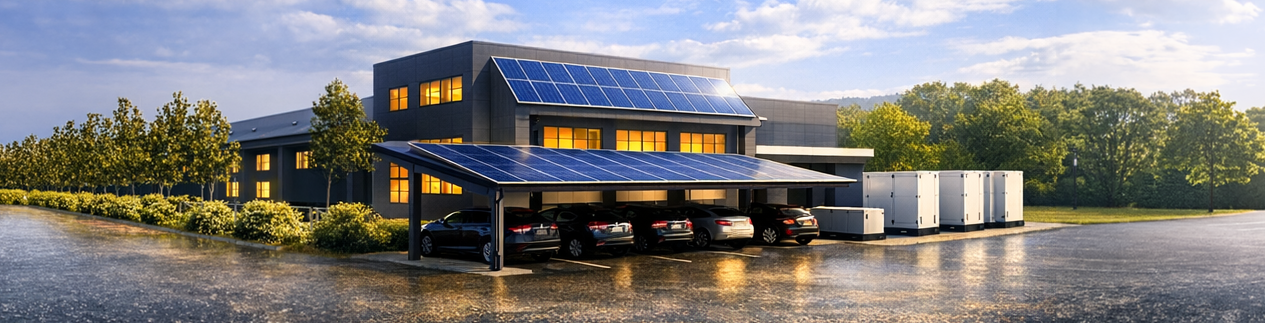
100–199 kW DER Generation
Planning a slightly larger system – such as solar or battery storage – between 100 and 199 kW? This section walks you through the interconnection process, so you’ll understand steps, timelines, and requirements before getting started.
Net Billing
The PUD’s Net Billing program is available to customers with appropriately sized energy systems, including solar, fuel cells, and cogeneration. If your system sends excess electricity back to the grid, you could be eligible to receive bill credits based on the amount of energy contributed, measured per kilowatt-hour (kWh).
For full details, see the Net Billing schedule in the PUD’s Electric Rate Book.
How to Get Started
Step 1: Submit Your Application
Complete the Small Distributed Generation Interconnection Application and Agreement and email it – along with all required documents – to interconnection@snopud.com.
Step 2: Application Review
Timeline: Approximately 2 weeks or more
Once approved, you’ll receive an Approval to Construct by email. An $85 processing fee will be applied to the applicant’s PUD account.
Step 3: Install Your System
After receiving Approval to Construct, you may begin installation. All installations must meet:
- PUD Electrical Service Requirements (see Section 6: Generation Interconnection)
- Local building codes and permitting requirements
During this time, the PUD will also begin installing an AMI meter, if needed, to prepare for net billing.
Step 4: Complete Construction
Once installation is complete and your electrical permit is finalized by your local jurisdiction or L&I, submit a Notice of Completion to the PUD.
Step 5: Net Billing Activation
The PUD will finalize your Net Billing Agreement and give the OK to turn on your system.
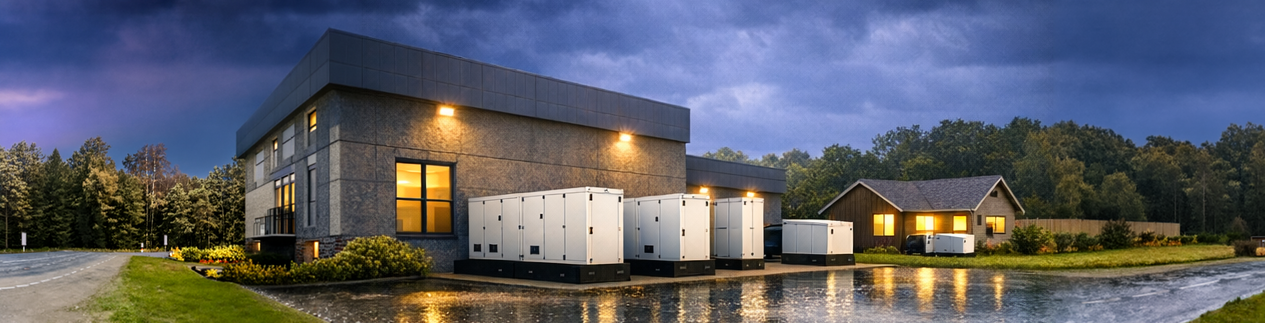
Standby (Backup) Generation
Standby or backup generation refers to generators owned by customers that may, depending on configuration, send electricity back to the grid. These systems do not meet the qualifications of a Distributed Energy Resource (DER). For example, a residential battery does not qualify as standby/back-up generation.
Why do I need to apply before installing standby generation?
Notifying the PUD before installing standby generation helps protect customers, utility employees, and the community.
If standby generation is not properly installed or documented, output may bypass system protection equipment. This can cause dangerous conditions for community members and PUD employees.
Before Applying
Customers planning to operate standby generation in parallel (connected) with the electric system must meet all applicable Electrical Service Requirements (ESRs).
How to Apply
Before connecting standby generation capable of parallel operation, complete both required applications listed below.
- Form 6-1
- Form 6-2
Both forms can be found here (snopud.com/esr).
New Customers must also complete a New Service Questionnaire (choose Commercial New Service/Rewire)
Questions? Contact interconnection@snopud.com.
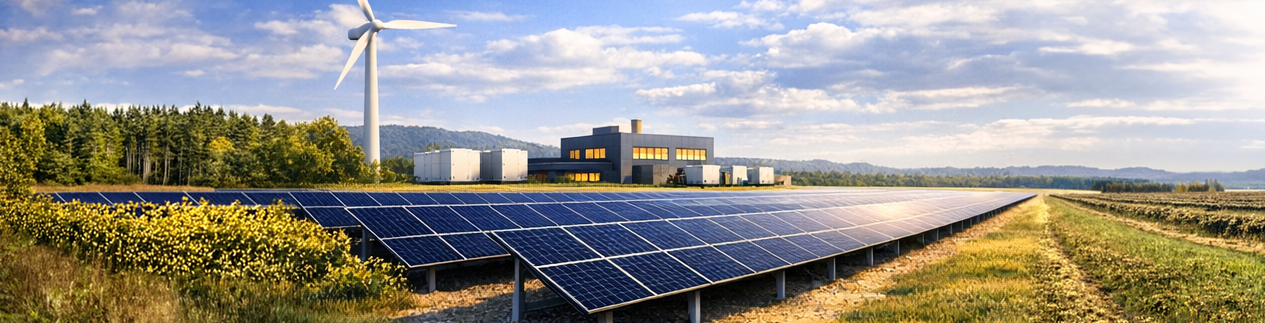
Generation Projects 200 kW or Larger
Projects 200 kW and larger must complete an evaluation and study process to determine whether system upgrades are needed to support the project.
Customers are responsible for paying a portion of any identified upgrade costs.
- Initial fees are based on project‑specific studies using a time‑and‑materials approach.
- Final costs are reconciled at project completion.
- Applicable costs must be paid up front.
Study Process Overview
Below is an overview of the study process, expected timelines, and fees.
1. Application Review
Timeline: 1–2 weeks.
- Customer submits Form 6‑1 (located at snopud.com/esr), signed by the project owner
- The PUD completes a Feasibility Review
- A review meeting is held with the customer and PUD staff
2. Interconnection Studies
Timeline: 5–8 months. Fee: $10,000 minimum (higher depending on complexity)
- Customer submits Form 6‑2 (located at snopud.com/esr)
- A Customer Service Contract Agreement is established
- The PUD conducts engineering studies and identifies required system upgrades
3. Interconnection Agreement & Detailed Design
Timeline: Project‑dependent
- The PUD develops detailed engineering plans and cost estimates
- Contract is drawn up defining scope, fees, and construction services
- Financing, collateral, and potential refunds are calculated and defined
- The Interconnection Agreement is drafted and executed
4. Testing and Start‑Up
Timeline: 1–6 months
- Customer provides calibration and commissioning reports
- Customer and PUD staff participate in witness testing
5. Commercial Operation
Timeline: 2–3 weeks
- Customer submits proof of insurance and environmental documentation
- The PUD issues Parallel Operation Authorization and a Letter of Commercial Operation
Additional details are available in the Facility Connection Requirements and the Generation Interconnection Process Workflow.
How to Apply
Submit Form 6-1, Customer Generation Primary Application:
- Form 6-1 found at snopud.com/esr
The application must include all required information and a signature from the project owner to be considered complete. If an application is missing information, the PUD will contact you to help complete it.
Have questions or want to schedule an introductory meeting? Email interconnection@snopud.com.
Technical Requirements
Projects 200 kW and larger must comply with parameters detailed in the technical reference links at the base of this page.
- Electrical Service Requirements (Section 6: Generation Interconnection)
- Facility Connection Requirements
- Modeling Data Requirements and Procedure Standards (for transmission‑connected projects)
Additional Considerations
Coordinating with BPA
Some projects must also follow BPA’s Small Generator Interconnection Procedures (SGIP).
When possible, PUD staff will coordinate PUD and BPA reviews at the same time. Depending on project complexity, total timelines vary from 12 to 36 months.
For questions, contact interconnection@snopud.com.
Generation projects larger than 2 MW
Projects larger than 2 megawatts (MW) are reviewed case by case. Contact interconnection@snopud.com to discuss next steps.
Net Billing Rate (up to 1 MW)
DER projects up to 1 MW may be eligible for Net Billing.
Customers receive bill credits for electricity exported to the grid, calculated per kWh. See the Electric Rate Book for details. Eligibility is confirmed during the Interconnection Agreement process.
Technical Reference Documents
Interconnection Requirements – Transmission
Technical requirements for connecting to the PUD’s transmission (≥100kW) system.
 View transmission interconnection requirements >
Interconnection Requirements – Distribution
Technical requirements for connecting to the PUD’s distribution (<100kW) system.
View distribution interconnection requirements >
Electrical Service Requirements
Requirements for safely connecting facilities to the PUD’s electrical system.
 View the ESRs >
Modeling Data Requirements and Procedure Standards
Required for projects interconnecting with the PUD's transmission system, supports compliance with North American Electric Reliability Corporation MOD 032.
Review MOD requirements >