







Employee Spotlight — Environment
—
May 06, 2026
Other Utilities Eager to Hear About the PUD’s Water Temperature Conditioning Project
< All Stories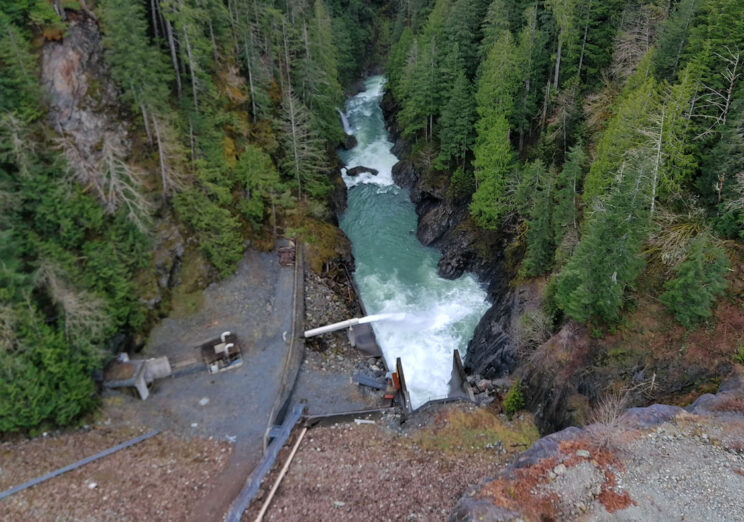
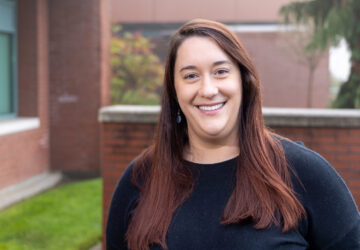
When Matt Nobles, a Regulatory Scientist, joined the PUD, he brought a deep passion for fisheries science and an appreciation for the amazing projects and solutions the PUD has developed over the years.
Matt and the PUD’s work recently took center stage at a pair of conferences, including the Northwest Hydroelectric Association Annual Conference, where Matt presented on our Water Temperature Conditioning (WTC) project. The innovative system helps the PUD actively manage river temperatures to improve conditions for fish – especially resident rainbow trout and salmon.
During the Jackson Project’s relicensing process, pre-2011, studies showed something unexpected: water at the base of Culmback Dam was unnaturally cold. While cold water is often thought of as good for fish, in this case it was delaying resident rainbow trout spawning and slowing fish growth.
“The trout were spawning nearly a month later than normal,” Matt said, “which puts them behind schedule, giving them less time to feed and ultimately growth rates.”
The solution was a temperature conditioning system, which takes advantage of seasonal thermal stratification in Spada Lake Reservoir to selectively withdraw water from different reservoir elevations – warmer water is on top while deeper in the lake, the water is much cooler – and deliver it directly into the river through a dedicated pipeline.
Phase I of the project introduced warmer spring water to help resident trout spawn earlier and grow larger. Later, Phase II expanded this capability by drawing water from different depths in Spada Lake through the selective withdrawal intake structure, allowing the PUD to mix temperatures seasonally. By using warmer water in the spring, the PUD can reserve the coldest water for returning salmon in the fall.
The results have been impressive. Monitoring shows that trout are now growing larger and spending more days in their ideal temperature range.
Salmon are also benefiting from the WTC system. The PUD’s ability to actively cool the river during extreme heat events provides a critical buffer that unregulated systems cannot, where water temperatures would otherwise rise in step with air temperatures.
“It’s a pretty good success story,” Matt said.
Of course, temperature needs for the river can change. The Sultan River is monitored at multiple locations, and operators at the Jackson plant make real-time adjustments based on conditions.
Along with presenting at the Northwest Hydroelectric Association Annual Conference, where utilities, regulators, and fisheries experts gathered to talk shop, Matt also presented at the American Fisheries Society Washington-British Columbia Annual Meeting.
The Sultan River stood out at both events because it’s a rare case where project design, modifications, and operations allow the PUD to actively manage water temperatures to meet the thermal requirements of the fish.
“It was really well received,” Matt said. “It’s kind of a unique problem where our water is colder than expected. Everyone says, ‘I wish we had your problem.’ But I got a lot of engagement. After each talk, I got like 10 questions and people coming up to me and chatting after.”
For conference attendees – regulators, utilities and other professionals – the Sultan River stood out as a remarkable success story. For the PUD, it’s a clear example of how thoughtful management and collaboration can support fish, meet regulatory requirements, and keep hydropower working for our communities.
One common question for Matt was what was next for the PUD?
“People were curious if we had any next steps planned,” Matt said. “While the PUD has met our compliance goals, we’ll continue to keep an eye on opportunities going forward. It’s just something to keep an eye on with how things could warm up in the future.
“It’s nice to see another benefit of hydropower. We’re able to manage the Sultan River’s temperatures to keep conditions healthy for the fish. It’s pretty cool what we’re able to do, and it shows in the results!”
Read more stories
News — Safety & Reliability
Snohomish PUD Honored with National Award for Excellence in Safety
April 02, 2026
News — Safety & Reliability
Construction Begins this April on New Crosswind Transmission Line
March 26, 2026