
Microgrids

Snohomish County’s Super Power
A microgrid is a small collection of energy sources (wind turbines, solar panels, and hydro) that transfer electricity to buildings on site or to the main electrical grid.
What is the Electric Grid?

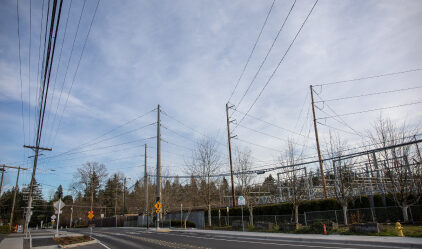
The electric grid is a network of poles, power lines and substations that deliver electricity from generating resources to homes and businesses. The grid is essential for modern life, supporting everything from lighting to technology.

Wind Power

Wind power is a form of renewable energy that converts the kinetic energy of wind into electrical energy using wind turbines.

Fun fact: The PUD receives nearly 10% of its power from multiple wind farms in central Washington and Oregon.

Solar Power

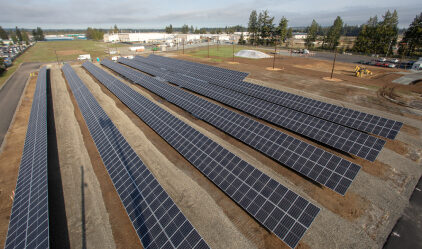
Solar energy comes from the sun. We use special panels called solar panels to catch sunlight and turn it into electricity. This electricity can power our homes, schools, and gadgets. It’s a clean and endless source of energy, which helps keep our planet healthy.

Hydropower

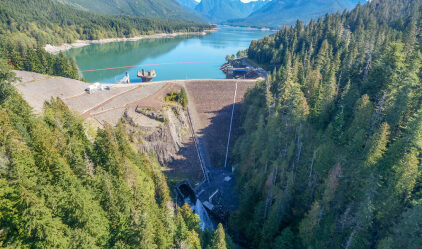
Hydroelectric power is a renewable energy source that generates electricity using the natural flow of moving water.

Fun fact: Hydropower can be generated using a dam and reservoir like the PUD’s Jackson Project or “damless” run-of-the-river facilities like the PUD’s Young’s Creek Project.

Battery System

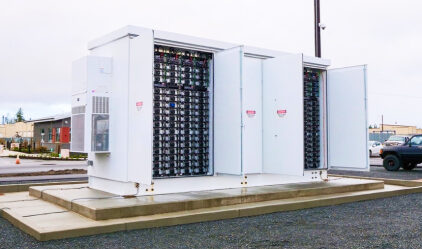
Battery energy storage systems, or BESS, store energy like reservoirs store water. They capture excess energy from renewable sources like solar and wind when it’s available and release it when needed.

Fun fact: It would take 10 Teslas to store the same energy as what’s in the 1000kW storage system seen above.

Microgrid Control Center

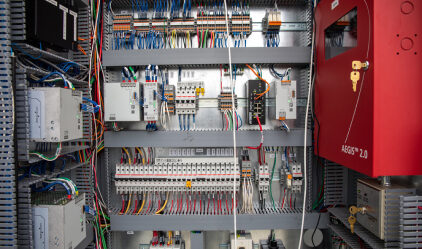
A microgrid control center manages operation of a microgrid, ensuring efficient and reliable power distribution.

It monitors components, controls the flow of electricity and optimizes energy use, both when linked to the grid or in “island mode.”

What could the future hold?

From an object of curiosity to a cornerstone of daily life, electricity is exciting. It eases workloads, helps us stay connected and even lights up our nights. Its potential continues to unfold and is up to the next generation to discover.

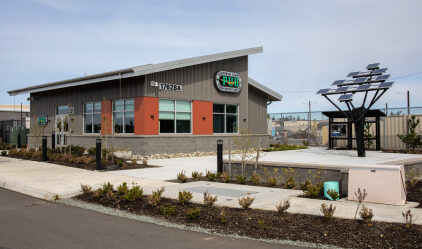
PUD’s Clean Energy Campus

The Clean Energy Center is part of the PUD’s Arlington Microgrid. It can be disconnected from the Electric Grid and powered by the Microgrid.

Where Does PUD’s Power Come From?

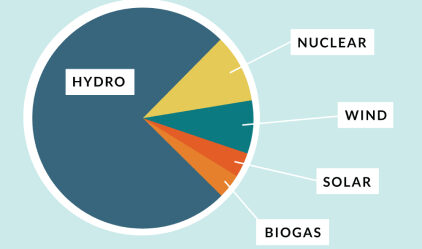
On average, three-fourths of the electricity that powers PUD customers comes from wonderful hydropower. The PUD is also powered by other carbon-free resources.

How does a battery system work?

Battery energy storage systems allow for electricity to be stored and released later, both integrating renewable energy onto the grid, as well as stabilizing it.

Here’s how it works!

Batteries are charged by electricity either from the grid or renewable generation sources like solar panels or wind turbines.

1
This electricity is stored as chemical energy inside the battery or kinetic energy like water or weight (gravity).
2
When needed, the battery converts the stored chemical or kinetic energy back into electrical energy and discharges it
3
That electricity is then used to power homes and businesses

Types of battery storage

There are several types of battery energy storage systems:

Lithium-ion

The most common battery storage system is used due to its high efficiency and long lifespan.
Lead-acid

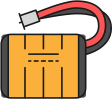
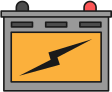
Used commonly in vehicle batteries due to cost-effectiveness but does have a shorter lifespan.
Redox Flow

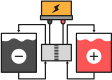
Uses chemical and oxidation reactions to store energy in electrolyte solutions. Long cycle life makes it ideal for large-scale storage.
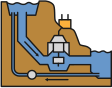
Pumped Hydro

Pumps water uphill to a reservoir when electricity is plentiful and then releases it downhill through turbines when needed.
Gravity Battery

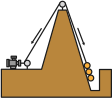
Uses energy to lift a heavy object(s) on a pulley and then lets it fall, converting it back into electricity.